Buying Spanish products in France the right way
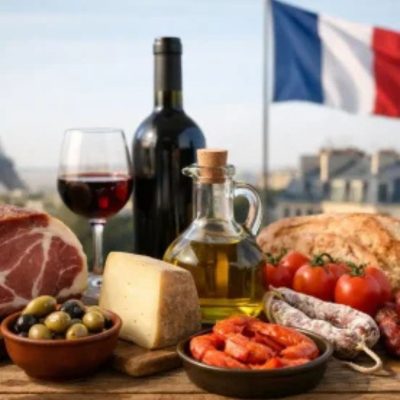
If you’ve ever bought a so‑called Spanish chorizo in France and, upon opening it, it didn’t smell like a curing cellar but like a tamed version for all audiences, you know where the problem lies. Buying Spanish products in France is not just about finding “something Spanish.” It’s about finding what truly deserves that name: clear origin, serious production, and authentic flavor.
For anyone who knows the Spanish pantry, the difference is immediate. A top‑quality extra virgin olive oil doesn’t compete in the same league as a decent oil. An authentic Iberian ham bears no resemblance to a generic piece with a Spanish look. And a good wine, an artisanal cheese or premium preserves are not an exotic whim, but part of a culinary culture ranked among the best in the world.
Buying Spanish products in France without making mistakes
There is genuine interest in Spanish gastronomy in France, but not all offerings meet the same standard. There are generalist shops that include a small Iberian selection, supermarkets with occasional references, and online platforms with broad but poorly curated catalogs. The result is uneven: sometimes you find an excellent product and many other times a simplified version meant more to fill a category than to represent Spanish gastronomy with rigor.
This is where being selective pays off. If you’re buying online or planning a gourmet purchase, four criteria separate a good choice from an expensive disappointment.
Origin must be unequivocal
Spain has gastronomic prestige for a reason. A name that sounds Spanish or Mediterranean‑style packaging isn’t enough. What matters is that the product actually comes from Spain and, even better, that it retains the identity of its region, its production method, and its raw material.
This is especially important in noble categories such as Iberian ham, cured charcuterie, sheep’s- or goat’s‑milk cheeses, tinned/preserved fish, quality rice, or wines with a designation of origin. When the origin is well defined, the product speaks for itself. When it isn’t, you usually notice it in the taste, the texture, and the lack of character.
Selection matters more than quantity
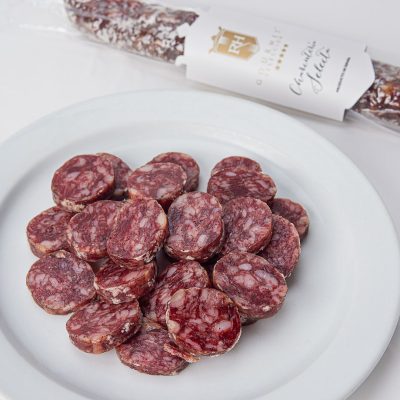
A huge catalog isn’t always an advantage. In gourmet food, it’s often the opposite. What builds trust is a carefully curated selection, with references that uphold a single promise of quality: authentic, premium Spanish products chosen with discernment.
A good assortment doesn’t mix excellent items with merely acceptable ones without order. It keeps a clear line. That makes buying more secure, whether you’re looking for a vermouth for aperitif or planning a platter with aged cheese, Iberian ham, picos (small breadsticks), select olives and a high‑quality preserve.
Traceability is not a detail
In premium food, knowing what you’re buying is part of the pleasure. Who produces it, where it’s made, which variety is used, what kind of curing a sausage has, or which area an oil comes from. Traceability is not bureaucracy: it’s prestige, trust and real value.
For a demanding buyer in France, this point is key. If you’re paying for high‑end Spanish gastronomy, you should be able to recognize the authenticity behind each reference. That transparency separates a tasteful purchase from a hasty one.
Which Spanish products are worth it in France
Not all products meet the same need. Some purchases are for everyday use, others for hosting guests, and others clearly intended as gifts. Choosing well depends on the moment.
To elevate the aperitif
Few traditions have as much appeal as a well‑served Spanish aperitif. Vermouth,
premium preserves, quality olives, gourmet chips and snacks, aged cheeses and select charcuterie shine here. These are products with immediate impact, easy to share and very effective when you want to create a table with personality.
In France, where the aperitif moment also has social weight, this category fits naturally. The difference lies in intensity and refinement of authentic Spanish product. A well‑chosen tin, a cheese with impeccable aging or an artisanal fuet presented nicely can turn an informal gathering into a thoughtful experience.
To cook better every day
Not all gourmet items are reserved for special occasions. An essential part of the Spanish pantry improves daily cooking without complicating it. Extra virgin olive oil is the best example. So are quality rices, selected legumes, well‑made sauces, preserved vegetables and certain organic or vegan products that maintain a premium standard.
When these basics are good, it shows in everything: on toast, in a salad, in Sunday rice or a quick dinner. Buying well here is not a superficial luxury. It’s a smart way to eat better and with more pleasure.
To give the right gift
There are few gifts as effective as a well‑thought‑out Spanish gourmet selection. It works personally, in professional commitments, and as corporate presents. But here, too, there’s a difference between a soulless hamper and an elegant proposition.
A prestigious gastronomic gift should convey intent. Premium wine, cava, extra virgin olive oil, select sweets, artisanal charcuterie or a balanced combination of savory pantry and cellar. The secret isn’t accumulating items, but presenting products with identity, quality and logical coherence.
Where the available offer often fails
The main problem is usually not the absence of Spanish product, but the mediocrity of part of the offer. There are references that are overly industrial, ranges adapted until they lose personality, and a frequent tendency to reduce Spanish cuisine to four commercial clichés.
That may suffice for an impulse buy, but not for a consumer seeking authenticity. Someone who truly appreciates Iberian gastronomy expects intensity, texture, nobility of raw materials and a real connection with tradition. If the product lacks that, the packaging won’t invent it.
For that reason, when buying Spanish products in France, be wary of overly generic signals. “Spanish style” is not the same as Spanish product. “Gourmet” without context doesn’t say much either. What does speak volumes is serious curing, clear provenance and a selection built from product knowledge.
Buying online can be the best option
For this kind of purchase, the online channel usually offers a clear advantage: access to a wider, more specialized selection. In physical stores, even in cities with good gastronomic offerings, the high‑end Spanish assortment tends to be limited or irregular. Online, on the other hand, it’s possible to gather cellar, aperitif, pantry and gifts in a single order without sacrificing standards.
That said, not all online shops perform the same. It’s worth choosing one specialized exclusively in premium Spanish gastronomy. There the difference is noticeable, because the curation of the catalog responds to a concrete idea of excellence. It’s not about selling “a bit of everything,” but about defending the best of Spain with discernment and ambition. In that field, proposals like
Made in Spain Gourmet fit naturally for those seeking authenticity, breadth and a shopping experience worthy of the product.
How to get it right according to your buyer profile
If you’re a Spanish expatriate, you’re probably looking for recognizable flavor and fidelity to the original. In that case, authenticity weighs more than novelty. If you’re a French or European foodie with an affinity for Iberian cuisine, you may be interested in discovering emblematic references and building a pantry with personality. And if you’re buying as a gift, perceived prestige, presentation and coherence of the set will be essential.
Lifestyle also matters. Today many buyers value
organic, vegan or biodynamic options, but they won’t accept lower quality for that. And rightly so. Spain already offers excellent references in these categories, with the same level of rigor as the traditional ones. There’s no need to choose between conviction and pleasure.
[caption id="attachment_49515" align="aligncenter" width="400"]
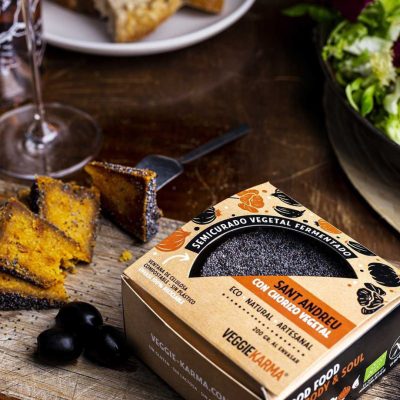
Veggie Karma: the gourmet vegan cheeses that are changing the rules of flavor[/caption]
Price matters, but it doesn’t rule
In gourmet products, price always matters, but it shouldn’t be the main criterion. An extraordinary oil, a good ham or a top‑level wine cost more because they’re worth more. The key is to distinguish between a high price and real value.
Sometimes it’s worth making a more selective, less impulsive purchase. Fewer products, but better ones. A well‑thought‑out table with four excellent references offers much more than an accumulation of mediocre items. That is, ultimately, the logic of well‑understood Spanish gastronomy: quality, origin and enjoyment without concessions.
Buying Spanish in France can be very easy. Buying well requires a bit more judgment, but the reward is completely worth it. When the product is authentic, premium and chosen with respect for tradition, it not only fills the pantry. It elevates the table.
AUTHOR: Israel Romero, CEO of Made in Spain Gourmet.