Who really believes in Spanish gourmet products?
Who really believes in Spanish gourmet products?
An honest reflection from the Made in Spain Corner
There are questions you don't ask in the first year. Nor the second. They're questions that come when you've been fighting for something for a long time, when you've invested energy, enthusiasm and conviction.
And today I want to share one that has accompanied me for some time:
Who really believes in Spanish gourmet products?
It's a straightforward question. And my conclusion, after years working in the development and commercialization of Spanish gourmet products, is emphatic: Spaniards, in general, do not. Yes, I know that may surprise. And it may even upset. But let me explain.
Knowing something is good is not the same as defending it
In Spain we know we have the best extra virgin olive oil in the world. We know that ibérico is unique. We know that our premium preserves, our PDO cheeses, our saffron or our salt-cured products are extraordinary. We know it.
But one thing is to know it… and quite another is to defend it, explain it, position it and sell it as what it truly is: world-class excellence. That's our big unfinished task. Even in the domestic market.
What I learned in luxury: value is built, not improvised
I come from a long professional experience in premium and luxury markets. I've sold diamonds worth more than €150,000. I've worked with watches like Patek Philippe worth over half a million euros. I've advised international premium fashion brands on how to treat the resident international customer, to build trust and generate consequential sales. That's what I call Premium Networking.
And in all those environments the conclusion was always the same:
- Sacrifice.
- Constant investment in the brand.
- Obsessive repetition of the message.
- Pride in the origin.
No one sells a high-end Swiss watch by discounting it every week. No one positions a diamond by talking about price before history, craftsmanship and rarity. Why do we do exactly the opposite with Spanish gourmet products?
Our obsession since 2019: explaining excellence
When Made in Spain Gourmet was born in 2019, we had something very clear: Spanish gourmet products would only differentiate if we applied the same recipe as luxury. That meant one thing: explain excellence relentlessly.
Talk about the producer.
About the territory.
About traceability.
About the ingredients.
About the nutritional table.
About allergens.
About the expiration date.
About pairings.
About the human story behind it.
This recipe isn't something perceived quickly. It's not viral. It's not immediate.
But six years later the fruits are finally arriving.
Where? Curiously, not near where we live. Always in international markets.
[caption id="attachment_46012" align="aligncenter" width="1024"]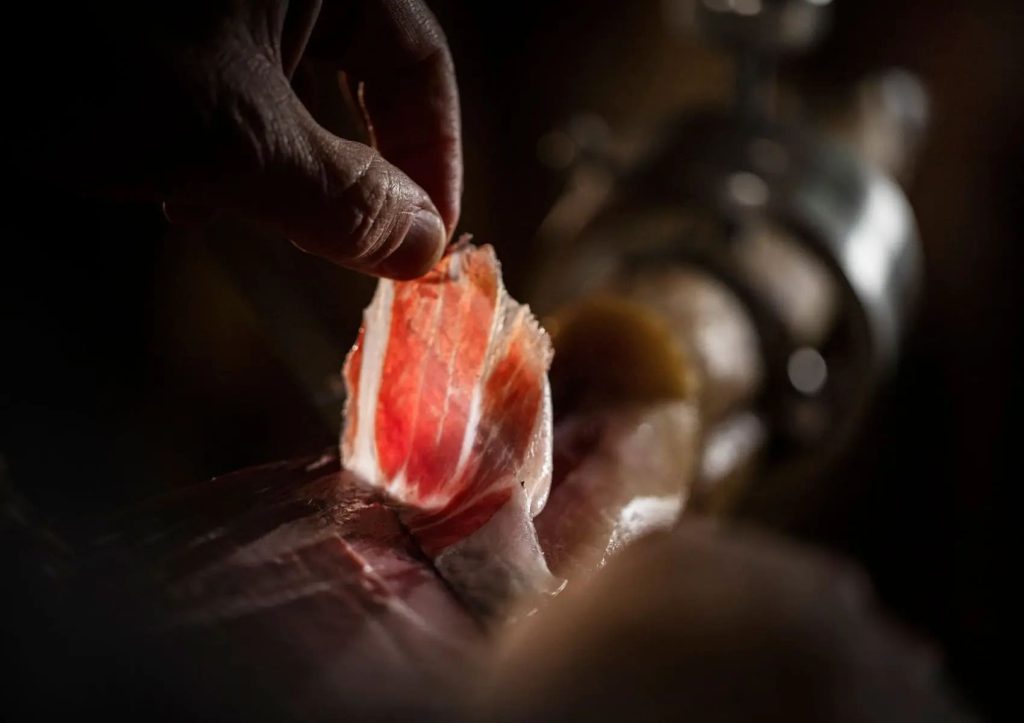 Sliced 100% Iberian Acorn-Fed Ham, Maldonado, Premium Edition[/caption]
Foreigners believe in us more than we believe in ourselves
Our best B2C results on madeinspain.store come from abroad. More than 90% of our sales.
Europe is gradually discovering Spanish gourmet products. In countries that don't compete directly with us, customers rush to buy Iberian products or EVOO (extra virgin olive oil) with a clear conviction: “Spain is the best.”
By contrast, in competing markets like France or Italy, the demand is higher. And that's normal. They are gastronomic powers. There it's not enough to say we're good. You have to prove it with content, education and smart positioning. And contend with generic concepts like Iberian products, pata negra, Spanish olive oil, Manchego cheese, which are easily used by anyone when there is no real regulation in how those products are communicated.
But even there we find something valuable: respect for quality when it's well communicated. And that generates sales.
In Spain, on the other hand, we remain trapped by price. And looking for the same but cheaper. And I tell them: go away!! No effort from the critic to pay a fair price for Spanish products and preferring to pay cheap for cadmium-laden avocados from Peru, or tomatoes “bathed in sewage waters” from Morocco. More national solidarity and less posturing. That's what foreigners who live here have told me, and in their businesses they bet on the best of Spain, which then brings them the best customers: high‑spending tourists who buy, taste it, take it home and, on top of that, recommend you.
The mistake: selling on every channel without an identity
There are gourmands all over the world. Many more than we imagine. And, honestly, probably more than in Spain.
But we keep holding that absurd idea that you have to be on every channel. Without identity. Without a clear narrative. Without real differentiation.
A sale seems more important than positioning. We believe the opposite. Good things cost what they're worth.
Premium EVOO has a price.
Black-label Ibérico has a price.
Premium preserves have a price.
PDO saffron has a price.
PDO cheese has a price.
Let's stop selling generic categories. Let's sell concrete excellence.
The right strategy: less discounting, more information
Our experience is clear: It's not necessary to give unnecessary discounts.
It's much smarter to:
- Streamline logistics (that's where we can afford to sacrifice margin).
- Provide complete and transparent information.
- Explain who is behind each brand.
- Build trust.
The result is always the same: Sales. Repeat purchases. Loyal customers. And, again, mostly abroad.
An example that should make us reflect
In the United States, young brands have understood the power of digital positioning better than we have.
A striking case is Graza. In less than five years it has claimed a privileged position in the EVOO market in the U.S. It doesn't own an olive mill. Yet it sells oil at gourmet prices thanks to a powerful brand and communication strategy.
Let's learn. The market won't wait for you. If you don't tell people how good you are, someone else will — and they will occupy your digital space.
More investment in brand, less dependence on trade shows
We always tell Spanish brands the same thing: Invest more in brand and in the digital channel. Invest less in trade shows.
(Trade shows last for days; the Internet is permanent).
The battle for positioning is fought with constant content, SEO, narrative, and identity. Spanish gourmet products don't need discounts. They need conviction.
Believing it means doing it
Less tolerance for labeling fraud.
More protection of excellence.
More owned communication.
More genuine pride.
Believing it isn't about saying it. It's about doing it.
It's defending the price when it's justified.
It's choosing the right channel.
It's explaining without fear that we are unique.
Spain has extraordinary diversity and quality. On par with anyone.
But we need more voices to say it with conviction.
[caption id="attachment_46811" align="aligncenter" width="600"]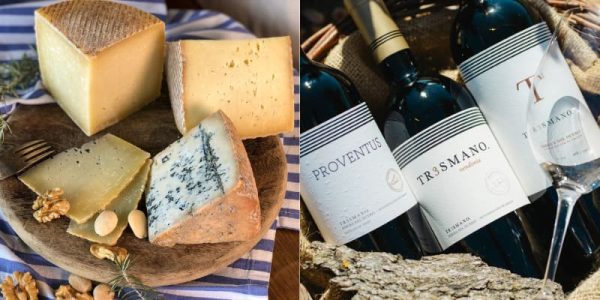 r[/caption]
So, who really believes in Spanish gourmet products?
Today, honestly, this is our list: Many international customers; foreigners residing in Spain who do recognize our quality; some brave producers. And, of course, us.
At Made in Spain Gourmet we deeply believe in what we do. And we demonstrate it every day with constant work, honest outreach, and a long-term vision. We don't want to lose the identity that unites and distinguishes us. And that is not built with short campaigns, but with consistency. I am convinced of our path. It is the path to worldwide recognition. But we need more people in Spain to truly believe it. Not just to know it. Not just to say it. To defend it.
Made in Spain Gourmet is your trusted channel for buying the best of Spain.
First and foremost, the fundamental guarantee: because we are from here. Because we know what we sell and we believe in it. Because we explain what others do not explain. And because we believe that excellence is not diminished: it is communicated, protected, and shared.
Welcome to the Made in Spain Corner. Here we do not sell products. We defend identity.
AUTHOR: Israel Romero, CEO of Made in Spain Gourmet.